Eco-Friendly Approaches: How E-Waste Recycling Services Are Preserving Our Planet
Electronic waste presents serious dangers to the environment, as disposed electronics frequently harbor hazardous substances. Such dangerous compounds can pollute soil and water supplies, resulting in widespread environmental harm. E-waste recycling services present a viable solution. They not only recover valuable resources but also mitigate pollution. Gaining insight into how these programs function and affect local communities is critical. Pursuing efficient e-waste management brings forth pressing questions regarding individual duties and shared responsibility. What actions should be considered going forward?
Why Electronic Waste Is Harmful to the Planet
Even though technological advancements improve our daily lives, e-waste poses considerable environmental hazards. Abandoned electronic gadgets, frequently composed of hazardous materials such as lead, mercury, and cadmium, are capable of seeping pollutants into the surrounding soil and water supply, creating hazards for human health and ecosystems. The rapid pace of technological advancement results in increased consumer turnover of electronics, intensifying the growing problem of electronic waste.
Landfills, already strained by waste, are unable to keep up with the rising quantities of abandoned electronics. Burning, an alternative disposal approach, discharges toxic contaminants into the air, worsening overall air quality. In addition, improper recycling practices can lead to the exportation of e-waste to developing countries, where laborers may dismantle devices without adequate safety measures, exposing themselves to dangerous substances. This cycle of neglect and improper handling underscores the urgent need for sustainable recycling solutions that can mitigate the adverse effects of e-waste on the planet.
What Is E-Waste and Its Importance?
E-waste, or electronic waste, comprises unwanted electronic equipment such as smartphones, computers, and televisions that are no longer functional or needed. This growing category of waste is significant because of its swift buildup, propelled by advances in technology and evolving consumer behaviors. With an increasing number of devices reaching obsolescence, the ecological consequences become more pronounced, with dangerous elements including lead, mercury, and cadmium presenting serious hazards to the environment and human well-being.
Addressing e-waste is crucial not only for reducing these dangers but also for acknowledging the precious materials found within it. Precious metals and rare earth elements can be recovered and reused, reducing the need for mining and conserving natural resources. Through a deeper awareness of e-waste and its consequences, both individuals and organizations can make well-informed choices regarding disposal and recycling, thereby supporting a more sustainable future. Responsible management of e-waste plays a key role in supporting a circular economy and championing environmental stewardship.
How E-Waste Recycling Works
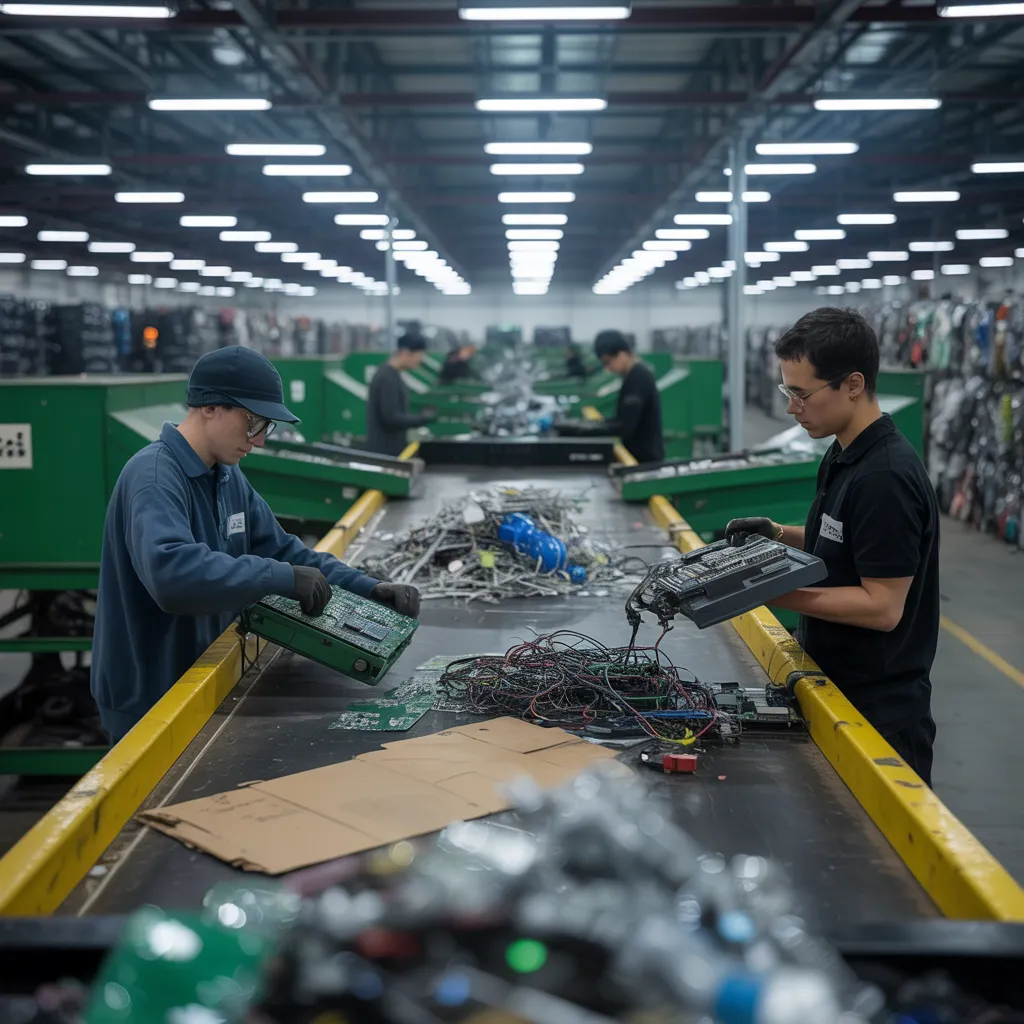
The recycling of e-waste encompasses an organized procedure designed to recover valuable materials while limiting ecological damage. Initially, discarded electronics are retrieved and sent to purpose-built recycling plants. Upon arrival, the devices undergo thorough sorting to distinguish harmful elements from reusable resources.
Subsequently, technicians take apart the electronics, extracting metals, plastics, and glass. This stage is crucial, as it makes possible the reclamation of high-value metals like silver, gold, and copper, which can be recycled in modern electronics.
Following this, the divided materials are processed through state-of-the-art techniques, such as chemical treatments and shredding, to cleanse them for reuse.
In the final Explore now step, the leftover hazardous materials are disposed of responsibly, following environmental regulations. This systematic method not only preserves valuable resources but also minimizes the hazards associated with irresponsible electronic waste disposal, guaranteeing a greener future for electronic device usage.
Benefits of E-Waste Recycling for You and Your Community
Though many people are unaware, the benefits of e-waste recycling reach well past personal use to meaningfully influence entire communities. By responsibly disposing of electronic waste, individuals play a role in creating a cleaner environment, minimizing hazardous materials that can leach into soil and water. This responsible method helps preserve local ecosystems and promotes public health.
Additionally, electronic waste recycling supports workforce growth within communities. Local recycling facilities often require personnel for a range of functions, from collection to processing, thus generating valuable job opportunities for local residents. This not only boosts the local economy but also inspires community dedication to sustainable efforts.
In addition, understanding of e-waste recycling is capable of inspiring community outreach programs, enabling residents to make environmentally conscious decisions. By taking part in e-waste recycling programs, individuals foster a culture of sustainability, motivating others to do the same. All things considered, the collective impact of these actions can contribute to a more strong and environmentally aware community.
How to Pick an E-Waste Recycling Service
Picking the right electronic waste recycling provider is crucial for making sure that electronic refuse is handled in a responsible and sustainable manner. To begin, individuals should verify the provider's certifications, such as R2 and e-Stewards certifications, which signify compliance with professional guidelines for responsible recycling methods. It is equally important to assess the provider's credibility by reviewing feedback and looking for recommendations from trusted sources.
Moreover, clarity in the recycling process is essential. A trustworthy provider should offer detailed insights about the way e-waste is handled and how the materials are utilized. Furthermore, assessing the variety of services available can be advantageous; certain providers may offer collection services or present rewards for recycling.
Furthermore, understanding local regulations regarding e-waste disposal can help inform the choice of disposal method. By taking these elements into account, residents can actively participate in successful electronic waste reduction alongside encouraging sustainable environmental efforts.
How You Can Get Involved in E-Waste Recycling?
Getting involved with e-waste recycling can start at the local level, where local recycling facilities regularly supply essential services for responsible disposal. Additionally, taking part in community awareness campaigns can amplify efforts to inform others regarding the importance of ethical e-waste practices. Such efforts not only promote sustainability but also cultivate a collective sense of stewardship of the environment.
Nearby Recycling Facilities
Several neighborhood recycling stations play an essential role in the recycling of e-waste, supplying communities with reliable ways to discard electronic waste in an eco-friendly way. These centers accept a range of electronic items, including aging computers, cell phones, and television sets, verifying that toxic materials are disposed of safely. The majority of facilities employ qualified professionals who help individuals navigate appropriate disposal procedures, highlighting the value of recycling rather than landfilling. Moreover, various hubs coordinate planned drop-off gatherings or set collection days, allowing residents to take part with ease. By taking advantage of these neighborhood resources, people help build a circular economy, decreasing environmental damage and advancing sustainable approaches. Connecting with these stations empowers communities to take action against e-waste pollution effectively.
Community Outreach Campaigns
Nearby organizations, schools, and enterprises can work together to organize events that support e-waste collection drives. Community members can serve a critical function in promoting knowledge, handing out educational content, and interacting with the surrounding community. By means of these joint initiatives, local inhabitants gain greater awareness and encouragement to properly recycle their e-waste, thereby helping to build a greener and more sustainable tomorrow.
Common Questions and Answers
What Kinds of Electronics Can Be Recycled?
Various electronics may be recycled, including laptops, televisions, smartphones, printers, computers, and gaming consoles. Furthermore, peripherals such as batteries, keyboards, and mice are equally appropriate for recycling, aiding in sustainable environmental practices.
Are There Any Costs Associated With E-Waste Recycling?
Indeed, electronic waste recycling sometimes comes with fees, subject to the facility. Some facilities apply costs for gathering or treatment, while other facilities offer free services, often subsidized by the sale of reclaimed components.
What Are the Benefits of E-Waste Recycling for Businesses?
Businesses can benefit from e-waste recycling by reducing disposal costs, strengthening their ecological standing, complying with regulations, recovering valuable materials, and possibly earning income through resale, ultimately contributing to a more sustainable operational strategy.
What Happens to Data on Recycled Devices?
Details on repurposed electronics is frequently permanently erased or obliterated throughout the recycling process. This guarantees confidential data is kept safe, preventing unauthorized access while allowing resources to be recycled carefully and ethically within new applications.
Is It Possible to Recycle Damaged Electronics?
Indeed, damaged electronics can be recycled. A wide range of recycling centers receive damaged devices, providing responsible disposal and recovery of precious materials. It helps lower harm to the environment while promoting responsible recycling practices to control electrical waste efficiently.